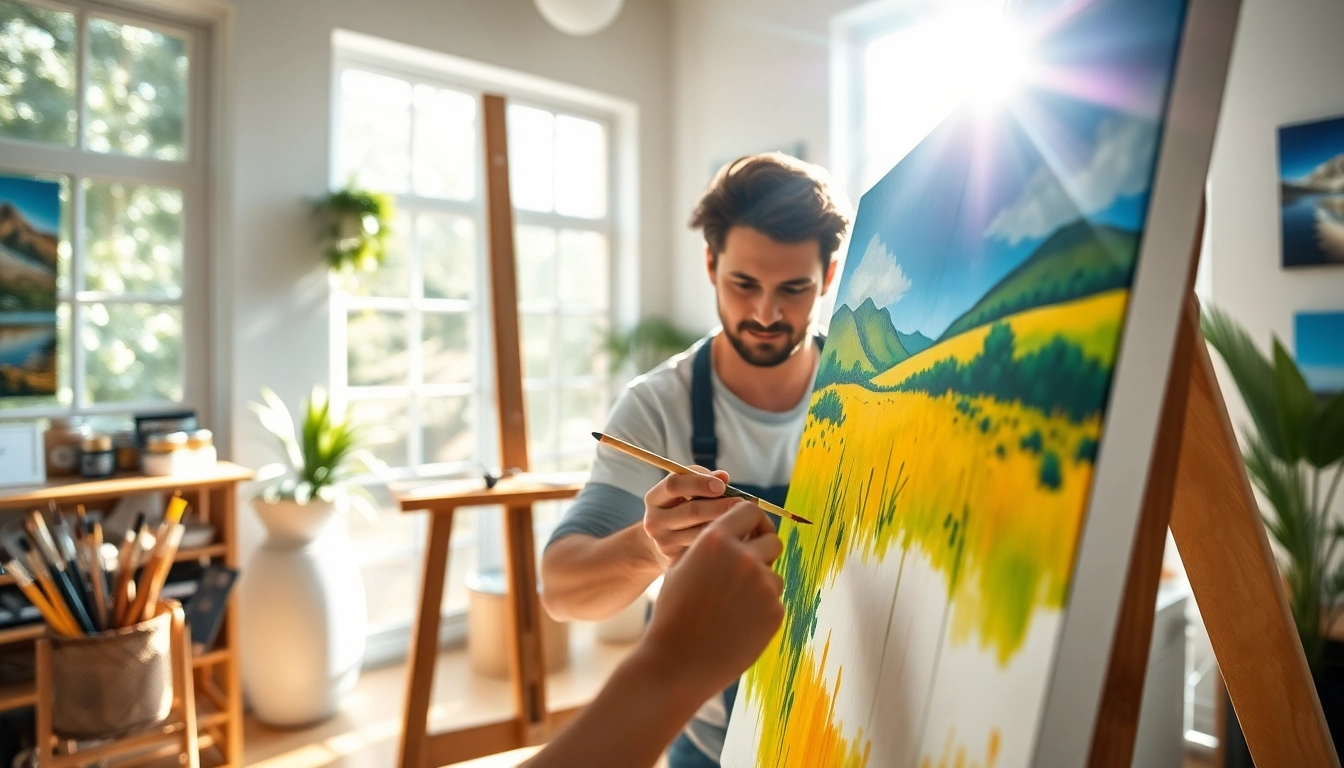
Understanding the Basics of Painting
What is Painting?
Painting is a form of visual art that employs pigments on a surface to create expressive images, scenes, or abstract forms. Whether executed with oils, acrylics, or watercolors, the essence of painting rests on the artist's intent to convey feelings, narratives, or pure aesthetic experiences. The medium and technique chosen significantly influence the final depiction. Painting can be a therapeutic outlet as well, offering a means of self-expression and exploration for artists at all skill levels.
History and Evolution of Painting
The journey of painting dates back to prehistoric times, with evidence found in ancient cave paintings around the world. These artworks, created with natural pigments, often depicted animals and human figures, revealing early human relations with their environment. Over the centuries, painting evolved through various cultures and movements, including the Egyptian dynasties, Classical Greece, the Renaissance, and Modern art. Each phase introduced new techniques and styles, from the realism of the Renaissance masters to the abstract expressionism of the 20th century. This continual evolution makes painting a dynamic art form that reflects historical, cultural, and social changes.
Different Types of Painting Styles
Painting styles vary widely from classical to contemporary methods. Here are some prominent styles:
- Realism: Focuses on accurate representations of subjects.
- Impressionism: Captures light and color with loose brushwork.
- Abstract: Uses shapes and colors to express emotions rather than depict reality.
- Surrealism: Merges reality with dream-like imagery.
- Expressionism: Exaggerates forms and colors to convey emotional responses.
Artists may choose one style or integrate multiple approaches, yielding unique creations that resonate with viewers differently.
Essential Painting Techniques for Beginners
Choosing the Right Materials
The foundation of successful painting lies in selecting the appropriate materials. Beginners should start with essential items such as paint, brushes, canvases, and palettes. For paint, acrylics are popular due to their versatility and quick drying time, while oils may provide deeper hues and a longer drying period, allowing for greater blending. Brushes vary in shape and stiffness; round brushes deliver detail, flat brushes are excellent for washes, and filbert brushes combine both capabilities. Furthermore, choosing a canvas size appropriate for one’s expertise level can impact the painting process significantly.
Basic Brush Techniques
Brush techniques serve as the building blocks for any painting endeavor. Simple strokes like lines, dots, and dabs can create intricate textures and patterns. Beginners should practice the following techniques:
- Dry Brush: Produces a scratchy texture by using a minimal amount of paint on a dry brush.
- Glazing: A thin layer of transparent paint applied over a dried layer to create depth.
- Scumbling: A technique that involves applying a thin layer of light, opaque paint over a dry underpainting to create a soft or misty effect.
Color Theory and Mixing
Understanding color theory is crucial for painters. The color wheel is divided into primary, secondary, and tertiary colors. Primary colors (red, blue, yellow) serve as the foundation for creating secondary colors (green, orange, purple). Furthermore, the principle of complementary colors, those located opposite each other on the color wheel, helps create contrast and harmony in paintings. Beginners should practice mixing colors to develop their understanding of how hues interact, leading to a more varied palette and better artistic result.
Advanced Techniques for Experienced Painters
Exploring Texture and Depth
Advanced painters often seek to add dimension to their work through the use of texture and depth. Techniques such as impasto, where paint is laid on the canvas very thickly, create a tactile quality that engages viewers. Additionally, layering colors and glazes can enhance depth, adding a sense of realism or movement to the artwork. Experimenting with tools such as palette knives can introduce various textures that further enrich a painting.
Mastering Light and Shadow
Light and shadow play integral roles in the depiction of three-dimensional forms on a flat surface. Artists must carefully observe their subjects to capture the interplay of light, which adds realism. Techniques such as chiaroscuro, which emphasizes strong contrasts between light and dark, can dramatically influence the mood and perception of paintings. Utilizing highlights and shadows can transform an ordinary scene into a powerful image filled with emotion.
Incorporating Mixed Media
Mixed media integrates various artistic mediums into a single work, allowing for unparalleled creativity and innovation. Artists can combine paint with materials like fabric, paper, or collage elements to create complex textures and narratives. This approach challenges traditional boundaries, offering artists the freedom to explore themes and concepts beyond those achievable with paint alone.
Finding Inspiration for Your Next Painting
Nature as a Muse
Nature serves as an endless source of inspiration for many artists. The diverse colors, patterns, and forms found in the natural world offer an abundance of ideas. Observing landscapes, flora, and fauna can evoke a range of emotions, guiding artists in their creative process. Taking sketchbooks outdoors and painting en plein air enhances observational skills and allows artists to capture the essence of their surroundings.
Travel and Cultural Influence
Travel can broaden a painter’s perspective, enriching their artistry through exposure to diverse cultures and artistic traditions. Observing and absorbing local artistry can inspire new techniques or stylistic approaches. Photographs, sketches, and memories from travels offer a fresh palette from which artists can draw upon when creating their own work.
Emotional and Abstract Themes
Many artists draw from personal experiences and emotions when creating. Abstract themes allow for expression beyond literal interpretation, exploring concepts like joy, sadness, or chaos through color, form, and composition. Engaging with emotional states can lead to profound and powerful artwork that resonates deeply with viewers.
Showcasing and Selling Your Paintings
Displaying Your Artwork Effectively
Display plays a significant role in the presentation of paintings, enhancing their appeal. Artists should consider factors such as lighting, context, and framing to emphasize their work effectively. Creating a cohesive look through consistent framing choices and careful arrangement can elevate the perceived value of the artwork.
Tips for Setting Up an Art Show
Art shows provide an excellent platform to showcase an artist’s body of work. Here are some tips for a successful setup:
- Curate Thoughtfully: Group artworks thoughtfully related in theme or style for a cohesive narrative.
- Strategize Layout: Consider the flow of traffic and sightlines within the exhibition space.
- Promote the Event: Use social media and local networks to generate interest in the show.
Using Online Platforms to Sell
The digital age offers countless avenues for selling paintings. Artists can create personal websites or utilize online art marketplaces to reach wider audiences. High-quality images of artwork combined with engaging descriptions and proper SEO tactics can attract potential buyers. Engaging through social media not only showcases art but also builds an artist’s brand, connecting with audiences globally.
Frequently Asked Questions
What kind of paint should I start with as a beginner?
Acrylic paints are recommended for beginners due to their quick drying time, ease of use, and versatility. They can also be thinned with water for different effects.
How can I improve my painting skills?
Practice regularly, study various painting techniques, and seek constructive criticism from peers. Additionally, consider taking classes for guided learning.
What should I paint if I’m looking for inspiration?
You can find inspiration in your surroundings, nature, personal experiences, or even through art movements and historical themes. Choose subjects that resonate with you.
How do I prepare my canvas for painting?
For oil and acrylic painting, you'll want to either purchase pre-stretched and primed canvases or apply gesso to raw canvas to create a suitable surface for paint.
What are the best practices for showcasing my art online?
Use high-quality photographs, write engaging descriptions, and interact with your audience on social media to enhance visibility and engagement with your artwork.